Showing posts with label thyroid tumor. Show all posts

Monday, May 26, 2014

Celebrate the Seventh Annual World Thyroid Day

It's not just cats and dogs that develop thyroid disease. Approximately 750 million people worldwide are affected by thyroid disorders, and the Seventh Annual World Thyroid Day, being held this weekend, has 5 major goals, say the organizations who support it. These include the American Thyroid Association (ATA), the European Thyroid Association, the Asia Oceania Thyroid Association, and the Latin American Thyroid Society.

The thyroid gland produces hormones that regulate the body's metabolism and influence every cell, tissue, and organ in the body, they point out. Hypothyroidism is characterized by symptoms of fatigue, depression, and forgetfulness, while hyperthyroidism is associated with irritability, nervousness, and muscle weakness.

The aims of World Thyroid Day are the following:
  • Increase awareness of thyroid health. 
  • Promote understanding of advances made in treating thyroid diseases. 
  • Emphasize the prevalence of thyroid diseases. 
  • Focus on the urgent need for education and prevention programs.
  • Expand awareness of new treatment modalities.
The thyroid gland, butterfly-shaped and located in the middle of the lower neck, produces hormones that influence every cell, tissue and organ in the body. The thyroid hormones regulate the body's metabolism—the rate at which the body produces energy from nutrients and oxygen—and affects critical body functions, such as energy level and heart rate.

The thyroid also plays a critical role during pregnancy, the thyroid societies explain. Consequently, the ATA recommends that pregnant women at high risk for thyroid disease should have their thyroid function tested early in their pregnancy. Another important issue is thyroid cancer, which is rapidly increasing, according to the ATA, which says there were 44,670 new cases of thyroid cancer recorded in 2010 in the United States.

But when thyroid cancer is identified and treated early, "the majority of patients can be completely cured," the American Thyroid Association stresses. The organization also notes that it is important to distinguish thyroid cancer from benign thyroid nodules, which are common in the population.

Patient education on human thyroid conditions can be found on the ATA website at http://www.thyroid.org/patient-thyroid-information/.

Tuesday, February 18, 2014

How to Manage Hyperthyroid Cats that Become Resistant to Methimazole


I have a 19-year old female DSH cat who was diagnosed with hyperthyroidism 5 years ago. I chose not to do the radioactive treatment because that treatment required her being away for several days. I didn't want to do surgery to remove the thyroid gland because she was very weak at the time of the initial diagnosis. 

Therefore, I have been treating her with methimazole over all these years. Initially, her daily dosage was 5 mg (divided twice daily). Over the years, it has become necessary to increase this first up to 10 mg/day, then to 15 mg (daily doses divided into 2-3 doses per day). This 15-mg dosage was effective at controlling her hyperthyroidism for a short time, but now her serum thyroid value is high again. Because of the persistent hyperthyroidism, many of her clinical signs have returned. She has lost weight, despite the fact that her appetite has increased.  I have just increased the methimazole dose up to 10 mg twice a day (20 mg/day) but this still does not appear to be helping.  Now I am worried about the effects of the medicine on her kidneys.

Do cats just become accustomed to the methimazole and always need an increasing amount?  How high can we go with the dosage of the methimazole?  

Thank you. 

My Response: 

This scenario that you are describing isn't that uncommon in cats treated with methimazole on a long-term basis. All hyperthyroid cats, as you may know, have one or more thyroid adenomas (benign thyroid tumors), which will continue to grow larger with time (1-7).

Thyroid scans of hyperthyroid cats, illustrating that all of these cats will have a thyroid tumor that will continue to grow larger over time. In some cats, these tumors will become very large or huge, which can lead to "resistance" to methimazole.

How methimazole works to control hyperthyroidism
Methimazole and other antithyroid drugs work by being taken up by the thyroid tumor where the drugs inhibit thyroid hormone production and secretion (1-4,7). Therefore, most hyperthyroid cats will require higher dosages of methimazole to inhibit thyroid hormone secretion as their goiters become larger and the thyroid tumor volume increases.

The methimazole does not change the tumor pathology and cannot stop the tumor from growing (5,6).  In some of these cats, the thyroid adenoma also may transform into a thyroid carcinoma as the disease progresses (6,8). Again, methimazole does nothing to the tumor pathology and cannot stop this from happening.

Why methimazole may become ineffective with time
In answer to one of your questions, hyperthyroid cats do not just become accustomed to the methimazole and need an increasing amount. There is a good explanation for the dose increases and why the drug will fail to work in some cats, especially in those treated chronically.

After use of medical treatment for a number of months to years, many hyperthyroid cats will have fairly large palpable goiters (thyroid enlargement). Because of the large goiter size, these cats can be difficult to regulate and make euthyroid, even when very high daily doses of oral or transdermal methimazole are administered (7). The reason for this is simple— with time, we just can't give a dose of methimazole that is high enough to block thyroid secretion from all of the thyroid tumor cells. In other words, the cat just has too much thyroid tumor tissue and thyroid oversecretion can no longer be adequately suppressed by the methimazole.

How high can we go with the methimazole dose in this cat?
So, what do you do?  The dose of methimazole needed to control hyperthyroid cats is based on what it takes to lower the serum T4 concentration into the reference range, so there is not an upper limit to what methimazole dosage can be used. I've gone as high as 30 mg per day in some cats, although the incidence of side effects tends to be higher as you raise the dose (7). So in your cat, I would continue to raise the dose up to 25 mg and then 30 mg/day, as needed. If this fails to completely control the hyperthyroidism, addition of other drugs such as beta-adrenergic blockers (e.g., atenolol) and/or L-carnitine could also be considered (9, 10).

If your cat was younger, I would strongly recommend definitive therapy (i.e., surgery or radioiodine) in order to remove or destroy the thyroid tumor(s). However, at 19-years of age, that may no longer be feasible, depending on your cat's overall clinical condition.

My Bottom Line:
The underlying cause of hyperthyroidism in all affected cats is a hyperfunctional thyroid tumor. Unless surgically removed or irradiated with radioiodine, these thyroid tumors will tend to grow larger with time, as the disease progressed. If methimazole is used as initial treatment, the drug may eventually become ineffective, even when higher dosages of the drug are used.

Overall, I believe that we should be curing the thyroid tumor in the hyperthyroid cat with definitive treatments, not just controlling the hyperthyroid state for the rest of the cat's life with methimazole. In most hyperthyroid cats, especially those that are young to middle-aged, the use of surgical thyroidectomy or radioiodine are, therefore, the treatments of choice. I do not generally recommend using methimazole on a long-term basis, unless we don't believe that the cat will live for another couple of years. Both surgery and radioiodine can be more difficult in cats with large goiters and severe hyperthyroidism, so early definitive therapy is always best.

References:
  1. Peterson ME. Hyperthyroid diseases In: Ettinger SJ, Feldman EC, eds. Textbook of Veterinary Internal Medicine: Diseases of the Dog and Cat. Fourth ed. Philadelphia: WB Saunders Co, 1995;1466-1487.
  2. Baral R, Peterson ME. Thyroid gland disorders In: Little SE, ed. The Cat: Clinical Medicine and Management. Philadelphia: Elsevier Saunders, 2012;571-592.
  3. Mooney CT, Peterson ME. Feline hyperthyroidism In: Mooney CT, Peterson ME, eds. Manual of Canine and Feline Endocrinology Fourth ed. Quedgeley, Gloucester: British Small Animal Veterinary Association, 2012;199-203.
  4. Peterson ME. Hyperthyroidism in cats In: Rand JS, Behrend E, Gunn-Moore D, et al., eds. Clinical Endocrinology of Companion Animals. Ames, Iowa Wiley-Blackwell, 2013;295-310.
  5. Gerber H, Peter H, Ferguson DC, et al. Etiopathology of feline toxic nodular goiter. Vet Clin North Am Small Anim Pract 1994;24:541-565.  
  6. Peterson M. Hyperthyroidism in cats: What's causing this epidemic of thyroid disease and can we prevent it? J Feline Med Surg 2012;14:804-818. 
  7. Peterson ME. Treatment of severe, unresponsive, or recurrent hyperthyroidism in cats. Proceedings of the 2011 ACVIM Forum; 2011 June 15–19; Denver, CO. American College of Veterinary Internal Medicine, pp 104–106.
  8. Peterson ME, Broome MR. Hyperthyroid cats on long-term medical treatment show a progressive increase in the prevalence of large thyroid tumors, intrathoracic thyroid masses, and suspected thyroid carcinoma. J Vet Intern Med 2012;26:1523.
  9. Peterson ME. Alternative medical treatments for hyperthyroid cats. Conference Proceedings North American Veterinary Conference (NAVC) Conference 2012: Small Animal & Exotics Proceedings 2012;852-858.
  10. Peterson ME. Alternative Medical Treatments for Hyperthyroid Cats. Animal Endocrine Clinic blog, September 13, 2012.

Monday, April 8, 2013

Radioiodine Treatment in Cats: Patient Selection and Preparation


Routine diagnostic testing should always be performed by the primary-care veterinarian before referral for radioiodine treatment to determine if a cat is an appropriate candidate for this treatment (1-4). This is very important, inasmuch as these cats tend to be middle-aged to older and therefore may have other geriatric problems unrelated to the cat's hyperthyroidism.

Cats should be relatively stable before being considered for radioiodine therapy. Those that have clinically significant or unstable cardiovascular, renal, gastrointestinal, endocrine (e.g., diabetes), or neurologic disease may not be very good candidates for this treatment, especially because of the length of boarding required after the 131-I dose is administered to the cats.

Working up the hyperthyroid cat—Recommended testing for diagnosis and staging of the disease

In any cat with suspected hyperthyroidism, we have 2 goals in diagnostic testing (1-4):
  1. Our primary goal is to make a definitive diagnosis of hyperthyroidism, This may not be as easy as cat owners or veterinarians may believe. None of the current thyroid function tests are prefect, and false-positive test results are not uncommon.
  2. Our second goal is to exclude other problems (kidney disease, gastrointestinal disease, diabetes), all common in the middle-aged to older cat. In some hyperthyroid cats, these concurrent problems are more important than the hyperthyroidism itself and must be addressed immediately.
To acheive these two goals, the recommended pretreatment workup for hyperthyroid cats includes the following tests and procedures (5):
  • Routine database, including a complete blood count (CBC), serum chemistry panel, and complete urinalysis.
  • Pretreatment or untreated serum total T4 concentration (with the cat not on antithyroid drug treatment or a low-iodine diet).
  • If the cat has been treated medically or nutritionally for longer than 1 to 2 months, the antithyroid medication or low-iodine diet may have to be discontinued for 5 to 7 days and another serum total T4 measured to determine the true severity of the cat's hyperthyroidism. 
  • If hyperthyroidism is mild or a thyroid nodule cannot be palpated, a complete thyroid panel is recommended to help confirm hyperthyroidism. This includes determination of serum concentrations of total T4, free T4, total T3, and thyroid-stimulating hormone (TSH).  Untreated hyperthyroid cats generally have high total T4, free T4, or T3 levels, whereas serum TSH is almost always suppressed to undetectable concentrations (6-8).
  • Chest radiography or cardiac ultrasonography (or both) should be performed if the cat has evidence of any clinically significant cardiac disease (especially pronounced heart murmur, arrhythmia, dyspnea, or jugular venous distention).
  • If severe gastrointestinal signs are present (e.g., poor appetite, severe vomiting or diarrhea), an abdominal ultrasound should be done to help rule out other problems not related to hyperthyroidism.
Hyperthyroidism and kidney disease

If concurrent renal disease is suspected or known to be present, many recommend evaluating medical management before a more definitive means of treatment such as radioiodine (1-3,9). In these cats, a low starting dose (i.e., 1.25 mg orally once daily or divided twice daily) of methimazole with gradual dosage escalation is prudent, with monitoring (e.g., biochemical profile and total serum T4 determination) and dose adjustments done every 2 weeks.

Once euthyroidism has been maintained for 2 to 4 weeks, no further fall in glomerular filtration rate (GFR) or acute worsening in renal function is expected, allowing one to decide whether to proceed with definitive therapy. Even if early or mild chronic kidney disease (CKD) is uncovered during this methimazole trial, most cats remain good candidates for radioiodine treatment (10).  Remember that hyperthyroidism contributes to the development of the renal disease seen in hyperthyroid cats so control of the hyperthyroidism may help slow the progression of the concurrent kidney disease (11).

Stabilizing the cat for radioiodine treatment

The veterinarian may choose to stabilize some cats for a few weeks or months before the time of referral for radioiodine treatment by administering β-blocking agents (e.g., atenolol), L-carnitine, antithyroid drugs (e.g., methimazole or carbimazole), or by feeding a low-iodine diet (Hill's y/d) (1-3).

Although concurrent use of antithyroid drugs or low-iodine diets does not "interfere" with radioiodine treatment, we recommend that they be discontinued for at least 1-2 weeks before treatment with radioiodine. The main reason stopping the antithyroid drug treatment or the low-iodine diet is to allow the cat to return to a hyperthyroid state by the time the radioiodine treatment is given; this ensures that the cat’s circulating TSH concentrations will be suppressed and that the 131-I uptake by the nonadenomatous (i.e., normal) thyroid tissue and subsequent iatrogenic hypothyroidism will be reduced (12).  Remember that the thyroid adenoma(s) does not need circulating TSH to take up and concentrate the radioiodine.

In contrast, β-blocking agents (e.g., atenolol) or other cardiac medication will not interfere with the radioiodine treatment and can be given up to, and even during, the hospitalization period as needed.

Less commonly, L-carnitine is used to help ameliorate hyperthyroid clinical signs in hyperthyroid cats; the primary effect of this drug is to inhibit the effect of T4 and T3 on the peripheral tissues rather than work on the thyroid gland itself (13). Although L-carnitine may reduce symptoms of hyperthyroidism, it does not change circulating thyroid hormone concentrations or reduce thyroid tumor volume or size. Like the β-blocking agents, L-carnitine does not interfere with the radioiodine treatment and can be given up to, and even during, the hospitalization period.

References:
  1. Baral R, Peterson ME. Thyroid gland disorders In: Little SE, ed. The Cat: Clinical Medicine and Management. Philadelphia: Elsevier Saunders, 2012;571-592.
  2. Mooney CT, Peterson ME. Feline hyperthyroidism In: Mooney CT, Peterson ME, eds. Manual of Canine and Feline Endocrinology Fourth ed. Quedgeley, Gloucester: British Small Animal Veterinary Association, 2012;199-203.
  3. Peterson ME. Hyperthyroidism in cats In: Rand JS, Behrend E, Gunn-Moore D, et al., eds. Clinical Endocrinology of Companion Animals. Ames, Iowa Wiley-Blackwell, 2013;295-310.
  4. Kintzer PP. Considerations in the treatment of feline hyperthyroidism. Vet Clin North Am Small Anim Pract 1994;24:577-585. 
  5. Peterson ME, Broome MR. Radioiodine for feline hyperthyroidism In: Bonagura JD,Twedt DC, eds. Kirk's Current Veterinary Therapy, Volume XV. Philadelphia: Saunders Elsevier, 2013;in press.
  6. Peterson ME, Melian C, Nichols R: Measurement of serum concentrations of free thyroxine, total thyroxine, and total triiodothyronine in cats with hyperthyroidism and cats with nonthyroidal disease. J Am Vet Med Assoc 2001;218:529-536.
  7. Wakeling J. Use of thyroid stimulating hormone (TSH) in cats. Can Vet J 2010;51:33-34. 
  8. Peterson ME. Diagnostic testing for hyperthyroidism in cats: more than just T4. Journal of Feline Medicine and Surgery 2013:In press. 
  9. Trepanier LA. Medical management of hyperthyroidism. Clin Tech Small Anim Pract 2006;21:22-28. 
  10. Peterson ME. Treatment of hyperthyroidism and concurrent renal disease: is the "Tapazole trial" necessary? Conference Proceedings 29th Annual Veterinary Medical Forum (American College of Veterinary Internal Medicine) 2011;104-106. 
  11. Syme H. A common duo: Hyperthyroidism and chronic kidney disease. NAVC 2013. 2. Syme HM. Cardiovascular and renal manifestations of hyperthyroidism. Vet Clin North Am Small Anim Pract 2007;37:723-743, vi. 
  12. Fischetti AJ, Drost WT, DiBartola SP, et al. Effects of methimazole on thyroid gland uptake of 99mTC-pertechnetate in 19 hyperthyroid cats. Vet Radiol Ultrasound 2005;46:267-272. 
  13. Peterson ME. Alternative medical treatments for hyperthyroid cats. Conference Proceedings North American Veterinary Conference (NAVC) Conference 2012: Small Animal & Exotics Proceedings 2012;852-858.
My other related blog posts:

Wednesday, March 27, 2013

How Radioiodine Works to Cure Cats with Hyperthyroidism


Iodine Physiology and the thyroid
Thyroid hormones are the only iodinated organic compounds in the body. Ingested stable iodine (127-I) in the diet is converted to iodide in the gastrointestinal tract and absorbed into the circulation.

In the thyroid gland, iodide is concentrated or trapped by active transport mechanisms of the thyroid follicular cell, resulting in intracellular iodide concentrations that are 10 to 200 times that of the serum (Figure 1). Once inside the thyroid cell, iodide is oxidized to iodine, which is incorporated into tyrosine residues of thyroglobulin (organification) to form the thyroid hormones thyroxine (T4) and triiodothyronine (T3) (1-3).

Figure 1: Synthesis of thyroid hormones, as seen in an individual cell.
See this link for more information (2).

Radioiodine (131-I): How it works
The radioisotope used to treat hyperthyroidism is radioiodine-131 (131-I). The basic principle behind treatment of hyperthyroidism with 131-I is that thyroid cells do not differentiate between stable (nonradioactive) and radioactive iodine (3-7). Therefore radioiodine, like stable iodine, is concentrated by the thyroid gland after administration (see Figure 1).

In cats with hyperthyroidism, radioiodine is concentrated primarily in the hyperplastic or neoplastic thyroid cells, where it irradiates and destroys the hyperfunctioning tissue as the iodine is incorporated into thyroid hormone (4-7).

Unless too large of an I-131 dose is administered, normal (i.e., nonadenomatous) thyroid tissue tends to be protected from the effects of radioiodine because it becomes atrophic and takes up very little of the administered dose of radioiodine (4-7). In some cats, however, most of the normal thyroid gland has been replaced by tumor. If the I-131 treatment is successful in destroying the thyroid tumor tissue in these cats, they will likely develop hypothyroidism and will require normal thyroid hormone supplementation (4-8). I'll be discussing the issue of iatrogenic hypothyroidism more in my future posts.

Radiation physics and I-131
Radioiodine emits two types of radiation (Figure 2):
  • beta (β)-particles
  • gamma (γ)-radiation
The β-particles, which cause almost 90% of the tissue damage, travel only a very short distance —a maximum of 2 mm in tissue, with an average path length of 400 μm (3,7,9). Therefore, β-particles are locally destructive to the thyroid tumor but spare adjacent atrophic thyroid tissue, parathyroid glands, and other cervical structures.

Because they contain mass, the β-particles can be thought of as a hail of "bullets," with the cellular DNA of the thyroid tumor as the "target." The higher the I-131 exposure, the more bullets pass near or hit the target to cause the desired tumor destruction (3,7,9).

Gamma radiation, also known as gamma rays and denoted as γ, is a form of electromagnetic radiation (like X-rays). Although gamma rays are a form of ionizing radiation, this plays only a minor role in the destruction of the thyroid tumor following radioiodine treatment (3,7,9).

Figure 2: Radioiodine-131 emits 2 types of radiation — 1) gamma (γ)-radiation as a wave of electromagnetic energy, and  2) β- radiation as a particle.

Radioiodine kinetics in cats with hyperthyroidism
When radioiodine is administered to a cat with hyperthyroidism, between 20% to 60% of the administered dose is taken up and accumulates in the thyroid tumor. The remainder of the administered 131-I is excreted primarily in the urine and to a lesser degree the feces (10,11).

Radioiodine has a physical half-life of 8 days; in other words, the amount of radiation will decrease by half every 8 days (3,7,9). To reach background levels of radiation, we can calculate that I-131 will take approximately 90 days. With regard to our cats, however, we must remember that the biological or effective half-life of I-131 in the cat is much shorter than 8 days because the cats are also excreting the radioiodine into their urine and feces. Therefore, most, if not all, of the measurable radiation will be gone from our cats within 2 to 3 weeks after treatment.

References
  1. Miot F, Dupuy C, Dumont JE, et al. Thyroid hormone synthesis and secretion. Thyroid Disease Manager (online), 2012. 
  2. Wikipedia. Thyroid hormone
  3. Wyszomirska A. Iodine-131 for therapy of thyroid diseases. Physical and biological basis. Nucl Med Rev Cent East Eur 2012;15:120-123. 
  4. Peterson ME. Radioiodine treatment of hyperthyroidism. Clin Tech Small Anim Pract 2006;21:34-39. 
  5. Mooney CT, Peterson ME. Feline hyperthyroidism In: Mooney CT, Peterson ME, eds. Manual of Canine and Feline Endocrinology, Fourth ed. Quedgeley, Gloucester: British Small Animal Veterinary Association, 2012;199-203.
  6. Peterson ME. Hyperthyroidism in cats In: Rand JS, Behrend E, Gunn-Moore D, et al., eds. Clinical Endocrinology of Companion Animals. Ames, Iowa Wiley-Blackwell, 2013;295-310.
  7. Peterson ME, Broome MR. Radioiodine for feline hyperthyroidism. In: Bonagura JD, Twedt DC, eds. Current Veterinary Therapy XIIII. Philadelphia: Saunders Elsevier, 2013: in press.
  8. Nykamp SG, Dykes NL, Zarfoss MK, et al. Association of the risk of development of hypothyroidism after iodine 131 treatment with the pretreatment pattern of sodium pertechnetate Tc 99m uptake in the thyroid gland in cats with hyperthyroidism: 165 cases (1990-2002). J Am Vet Med Assoc 2005;226:1671-1675. 
  9. Ward WF. Basic principles of radiation biology. In: Henkin RE, Bova D, Dillehay GL et al. Nuclear Medicine. Elsevier, Philadelphia 2006: 507–522.
  10. Broome MR, Turrel JM, Hays MT. Predictive value of tracer studies for 131-I treatment in hyperthyroid cats. Am J Vet Res 1988;49:193-197. 
  11. Hays MT, Broome MR, Turrel JM. A multicompartmental model for iodide, thyroxine, and triiodothyronine metabolism in normal and spontaneously hyperthyroid cats. Endocrinology 1988;122:2444-2461.

Thursday, March 21, 2013

Treating Hyperthyroid Cats with Radioiodine: The Pros and Cons


Hyperthyroidism is the most common endocrine disorder in cats, most frequently associated with adenomatous hyperplasia (or adenoma) involving one or both thyroid lobes (1,2). Because the exact pathogenesis of hyperthyroidism in cats is not known, treatment of the condition is directed at controlling the excessive secretion of thyroid hormone from the adenomatous thyroid gland.

Treatment options for cats with hyperthyroidism
Four treatment options are available for cats with hyperthyroidism (3-8):
  • Long-term antithyroid drug administration
  • Chronic feeding of an iodine-deficient diet (Hill’s y/d)
  • Surgical thyroidectomy
  • Administration of radioiodine (131-I) to irradiate and destroy the hyperfunctional thyroid nodule(s)
Each of these treatment options has its advantages and disadvantages, but the use of radioiodine is considered by most authorities to be the treatment of choice for the majority of hyperthyroid cats.

The best treatment option for a hyperthyroid patient is determined by evaluation of age, concurrent medical problems (such as cardiovascular or renal disease), availability of therapy, and the owner’s opinion and financial options (3,5,6,9).

Advantages of radioactive iodine (I-131) as treatment of cats with hyperthyroidism
Radioactive iodine (radioiodine; I-131) provides a simple, effective, and safe treatment for cats with hyperthyroidism.  This form of therapy has many advantages over other treatment methods (4-9).
  • Radioiodine avoids inconvenience of daily, oral administration of an antithyroid drug as well as the side effects commonly associated with these drugs. 
  • Radioiodine avoids the restrictions associated with the lifelong feeding of an iodine-deficient diet. 
  • Radioiodine also eliminates the risks and perioperative complications associated with anesthesia and surgical thyroidectomy.
  • A single administration of radioiodine restores euthyroidism in most (>90%) hyperthyroid cats. 
  • The therapy is simple and relatively stress-free for most cats. 
Disadvantages of radioactive iodine (I-131) as treatment of cats with hyperthyroidism
Although the therapy is simple and relatively stress-free for cats, there are also a few downsides of radioiodine treatment for some cats.
  • The use and treatment with radioiodine requires special radioactive licensing and facilities, nuclear medicine equipment, and extensive compliance with local and state radiation safety laws.
  • Major drawback for most owners is that their cat must be kept hospitalized for a period (3 to 10 days in most treatment centers) and visiting is not allowed.
  • The cats must be stable enough to undergo this procedure. If severe cardiac or renal disease is present, cats may not do well during this hospitalization period.
  • If cats are underdosed with radioiodine, they will remain persistently hyperthyroid and will requrie additional treatment.
  • If the cats are overdosed with radioiodine, on the other hand, hypothyroidism may develop (8,10).

Bottom Line

Overall, the use of radioactive iodine provides a simple, effective, and safe treatment for cats with hyperthyroidism. Unlike methimazole or nutritional therapy (iodine deficient diet), use of radioiodine cures the disease. It is regarded by most veterinarians to be the treatment of choice for most cats with hyperthyroidism.

Radioiodine is a particularly useful treatment for cats with bilateral thyroid involvement (found in approximately 70% of cats), cats with intrathoracic (e.g., ectopic) thyroid tissue, cats that fail to respond adequately to medical or nutritional management, and the relatively rare feline patient with thyroid carcinoma (8,11,12).

There are different protocols that facilities may use to determine the cats’ radioiodine dosage, which greatly influences the prevalence of persistent hyperthyroidism (when the administered 131-I dose is too low) and iatrogenic hypothyroidism (when the administered 131-I dose is too high). The method of dose calculation should be considered when selecting a radioiodine facility.

References
  1. Gerber H, Peter H, Ferguson DC, et al. Etiopathology of feline toxic nodular goiter. Vet Clin North Am Small Anim Pract 1994;24:541-565. 
  2. Peterson M. Hyperthyroidism in cats: What's causing this epidemic of thyroid disease and can we prevent it? J Feline Med Surg 2012;14:804-818. 
  3. Panciera DL, Peterson ME, Birchard, SJ: Diseases of the thyroid gland. In: Birchard SJ, Sherding RG (eds): Manual of Small Animal Practice (Third Edition), Philadelphia, Saunders Elsevier, pp 327-342, 2006.  
  4. Peterson ME. Radioiodine treatment of hyperthyroidism. Clin Tech Small Anim Pract 2006;21:34-39.
  5. Mooney CT, Peterson ME. Feline hyperthyroidism In: Mooney CT, Peterson ME, eds. Manual of Canine and Feline Endocrinology, Fourth ed. Quedgeley, Gloucester: British Small Animal Veterinary Association, 2012;199-203.
  6. Baral R, Peterson ME: Thyroid gland disorders, In: Little, S. (ed), The Cat: Clinical Medicine and Management. Philadelphia, Elsevier Saunders, 2012;571-592.
  7. Peterson ME. Hyperthyroidism in cats In: Rand JS, Behrend E, Gunn-Moore D, et al., eds. Clinical Endocrinology of Companion Animals. Ames, Iowa Wiley-Blackwell, 2013;295-310.
  8. Peterson ME, Broome MR. Radioiodine for feline hyperthyroidism. In: Bonagura JD,Twedt DC, eds. Current Veterinary Therapy XIIII. Philadelphia: Saunders Elsevier, 2013: in press.
  9. Kintzer PP. Considerations in the treatment of feline hyperthyroidism. Vet Clin North Am Small Anim Pract 1994;4:577–585.
  10. Nykamp SG, Dykes NL, Zarfoss MK, et al. Association of the risk of development of hypothyroidism after iodine 131 treatment with the pretreatment pattern of sodium pertechnetate Tc 99m uptake in the thyroid gland in cats with hyperthyroidism: 165 cases (1990-2002). J Am Vet Med Assoc 2005;226:1671-1675.
  11. Hibbert A, Gruffydd-Jones T, Barrett EL, et al. Feline thyroid carcinoma: diagnosis and response to high-dose radioactive iodine treatment. J Feline Med Surg 2009;11:116-124. 
  12. Turrel JM, Feldman EC, Nelson RW, et al. Thyroid carcinoma causing hyperthyroidism in cats: 14 cases (1981-1986). J Am Vet Med Assoc 1988;193:359-364. 

Friday, March 15, 2013

Hyperthyroidism in Cats: Past and Upcoming Topics


As you know, if you have been following this blog, I've spent much of the last few months writing about the diagnosis and treatment of hyperthyroidism, the most common endocrine disorder of the cat.

For my next series of posts, I'm getting back to this series to discuss the next treatment option — namely,  radioactive iodine (radioiodine; I-131), which is considered by most to be the treatment of choice for most cats suffering with hyperthyroidism. I do plan to do a series of posts on a number of issues concerning radioiodine over the next few weeks.

But before I move on to the topics of treatment of this common feline condition, I thought I'd post links to the hyperthyroid topics I've covered thus far:
My next post on feline hyperthyroidism (entitled, Treating Hyperthyroid Cats with Radioiodine: The Pros and Cons) will go up within the next week; then I'll continue with I-131 treatment issues, with a post once a week.

Wednesday, January 2, 2013

January is National Thyroid Awareness Month


"If your thyroid isn't working properly, neither are you."

January is Thyroid Awareness Month, which is sponsored by the American Association of Clinical Endocrinologists (AACE).  We must remember that thyroid disease commonly affects people, as well as our cats and dogs. The AACE also estimates that approximately 30 million Americans may be affected by thyroid disorders (hypothyroidism, hyperthyroidism, and thyroid cancer) — with half of these cases currently undiagnosed.

In humans, the thyroid gland is a small, butterfly-shaped gland found immediately below the Adam’s apple. This gland produces hormones that influence every organ, tissue and cell in your body. If thyroid disease is left untreated, there are serious consequences including elevated cholesterol levels, heart disease, infertility, muscle weakness, and osteoporosis.

Testing for thyroid disease is easy, although not routinely included in an annual physical blood work. However, the diagnosis of thyroid disease can sometimes be challenging. Patients often present with vague, general clinical manifestations that may not be obvious to either the doctor or patient. Understanding the facts about thyroid disease and its symptoms is the best defense in diagnosing and treating thyroid disease.

What Are The Symptoms Of Thyroid Disease In Humans?

The following are some of the symptoms of various thyroid conditions and diseases.

Hypothyroidism
The symptoms of hypothyroidism (i.e., an underactive thyroid) tend to mirror the slowing down of physical processes that result from insufficient thyroid hormone. Common symptoms include fatigue, weight gain, constipation, fuzzy thinking, low blood pressure, fluid retention, depression, body pain, slow reflexes, and much more.

Hyperthyroidism
The symptoms of hyperthyroidism (i.e., an overactive thyroid) tend to reflect the rapid metabolism that results from an oversupply of thyroid hormone. Common symptoms include anxiety, insomnia, rapid weight loss, diarrhea, high heart rate, high blood pressure, eye sensitivity or bulging, and vision disturbances.

Thyroid Nodules or Goiter
Symptoms of goiter — an enlarged thyroid gland— include a swollen, tender or tight feeling in the neck or throat, hoarseness or coughing, and difficulty swallowing or breathing. Sometimes, the goiter is visible to yourself or others.

Some thyroid nodules cause no symptoms, while others may cause difficulty swallowing, a feeling of fullness, pain or pressure in the neck, a hoarse voice, or neck tenderness. Some nodules trigger hyperthyroid-like symptoms such as palpitations, insomnia, weight loss, anxiety, and tremors. Nodules can also trigger hypothyroidism, and symptoms might include weight gain, fatigue, and depression.

Thyroid Cancer
Although many patients are asymptomatic at first, possible symptoms of thyroid cancer include a lump in the neck, voice changes, difficulty breathing or swallowing, or lymph node swelling.

Thyroiditis
Symptoms of thyroiditis typically include pain and tenderness in the thyroid area, neck and throat, difficulty sleeping. Thyroiditis may also trigger traditional hypothyroid or hyperthyroid symptoms. 

Where To Get More Information?

For more information on thyroid disease and/or to find a medical expert in thyroid conditions, please visit the American Association of Clinical Endocrinologists website. The AACE’s Thyroid Awareness website also features articles, videos and FAQ on thyroid conditions.

For a detailed description of various thyroid disorders in human patients, including hypothyroidism and Hashimoto’s thyroiditis, hyperthyroidism and Graves’ disease, multinodular goiter, thyroid nodules and thyroid cancer, I'd strongly recommend that you visit the Thyroid Disease Manager Website.

Thyroid Disease Manager offers an up-to-date analysis of all aspects of human thyroid disease and thyroid physiology. It provides physicians, researchers, and patients from around the world with an authoritative, current, complete, objective, free, and down-loadable source on the thyroid and its diseases.

Useful Links:
  • American Association of Clinical Endocrinologists (AACE) website — https://www.aace.com/
  • AACE's Thyroid Awareness website — www.thyroidawareness.com
  • Thyroid Disease Manager website —www.thyroidmanager.org

Thursday, December 20, 2012

Complications of Thyroidectomy in Cats: Persistent Hyperthyroidism & Relapse


Most hyperthyroid cats are readily cured quite easily with the use of surgical thyroidectomy (1-6).
Occasionally, however, cats treated with thyroidectomy remain persistently hyperthyroid (7). Others improve temporarily to become euthyroid, only to experience a relapse of hyperthyroidism days to months after surgery. Such problematic hyperthyroid cats can be frustrating to manage, especially as their disease becomes more severe and they develop complications of advanced and poorly controlled hyperthyroidism (1,2,7).

After successful surgical thyroidectomy in a cat with hyperthyroidism, the serum thyroid hormone concentrations (both T4 and T3) should fall to low-normal or low concentrations by 24 hours postoperatively (6,8). I recommend checking a serum T4 concentration before the cat is discharged from the hospital (within 1-2 days of surgery) to ensure that the procedure has been successful in removing all adenomatous thyroid tissue.

If the serum T4 concentration remains high or has only fallen into the high-normal range, it is very likely that remaining adenomatous tissue remains and that the cat will require additional treatment.

Persistent Hyperthyroidism After Thyroidectomy

Occasionally, cats undergoing thyroidectomy will remain hyperthyroid or develop relapse very shortly after surgery. If unilateral thyroidectomy was performed, it is likely that the other thyroid lobe is also adenomatous and was missed at surgery. Thyroid imaging can be very helpful in identifying all adenomatous thyroid tissue (1,9), no matter where its location (see Figure 1).

Figure 1: Bilateral thyroid adenoma in a cat with hyperthyroidism. Notice that gravity has pulled the larger thyroid tumor ventrally, through the thoracic inlet into the chest cavity. At surgery, this large thyroid tumor could easily be missed, resulting in persistent hyperthyroidism.

Alternatively, especially in those cats undergoing bilateral thyroidectomy, ectopic thyroid tissue, intrathoracic thyroid tissue, or thyroid carcinoma must be suspected (1,2,7). In these cats, use of thyroid scintigraphy (Figure 2) is again the best way to identify the location of the remaining hyperfunctioning thyroid tumor tissue and to help diagnose thyroid carcinoma (1,9).

Figure 2: Thyroid carcinoma in a cat with hyperthyroidism (thyroid scan on left). Notice the 3 thyroid masses, with the larger two being located within the chest cavity. The horizontal yellow line indicates the area of the thoracic inlet (top opening of the chest cavity). At surgery, these large thoracic tumor could easily be missed, resulting in persistent hyperthyroidism.

Recurrent Hyperthyroidism After Thyroidectomy

Unilateral Thyroidectomy
Only 30% of all hyperthyroid cats have unilateral disease. In these cats, removal of the one affected thyroid tumor will result in complete cure of the hyperthyroid state. Although it is possible for "new" adenomatous changes to develop in the remaining thyroid lobe sometime in the future, this is uncommon and would take many months to years to occur (8).

Although 70% of hyperthyroid have bilateral disease, some of these cats have asymmetrical thyroid enlargement, with one thyroid lobe being very large and the other being only minimally enlarged. In these cats, unilateral thyroidectomy generally restores euthyroidism, at least for a few weeks, and it may take a up to 6 months for the remaining lobe to grow to a size for hyperthyroidism to recur (8). However, unless preoperative thyroid scintigraphy is performed to verify that unilateral disease is indeed present (Figure 3), the owner must be aware of the possibility that hyperthyroidism could persist or recur after unilateral thyroidectomy is performed.

Figure 3: Bilateral asymmetric thyroid adenomas in a cat with hyperthyroidism. At surgery, it could be easy to mistake the slightly enlarged thyroid tumor (on the left) as being normal size. 

If hyperthyroidism recurs following unilateral thyroidectomy, reoperation to remove the remaining thyroid lobe can be performed, but care must be taken to preserve parathyroid function or hypoparathyroidism will develop after the second thyroid tumor is removed.

Bilateral Thyroidectomy
Because most hyperthyroid cats have involvement of both thyroid lobes, bilateral thy­roidectomy is generally indicated if long-term cure is the goal. The two major techniques for bilateral thyroidectomy include the intracapsular and extracapsular methods (3-6,10,11).

The major problem with the intracapsular technique for thyroidecto­my, as noted in my previous post on surgical techniques for thyroidectomy, is that it can be difficult to remove the entire thyroid capsule (and therefore all abnormal thyroid tissue) while con­currently preserving parathyroid function. Small remnants of thyroid tissue that remain attached to the capsule may regenerate and produce recur­rent hyperthyroidism (10,11). With the extracapsular tech­nique, the incidence of relapse is much less than because the entire thyroid capsule is removed at time of surgery.

When recurrent hyperthyroid does occur after bilateral thyroidectomy, it generally takes many months to years for the serum T4 to increase or clinical signs of hyperthyroidism to redevelop (10,11).

Prognosis and Long-Term Follow-up

The prognosis for hyperthyroid cats after thyroidectomy is good. Treated cats show improved behavior and significant weight gain.

Relapse of hyperthyroidism can occur but is uncommon if all involved tissue is removed at time of the original surgery. The lowest rates have been associated with the extracapsular technique.  Postoperative hypocalcemia is more common after reoperation, so alternative treatment methods (e.g., methimazole or radioiodine) should be considered in cats that experience relapse of the hyperthyroidism.

References:
  1. Mooney CT, Peterson ME. Feline hyperthyroidism In: Mooney CT,Peterson ME, eds. BSAVA Manual of Canine and Feline Endocrinology. Fourth ed. Quedgeley, Gloucester: British Small Animal Veterinary Association. 2012;92-110.
  2. Baral RM, Peterson ME. Thyroid gland disorders In: Little SE, ed. The Cat: Clinical Medicine and Management. St. Louis: Elsevier Saunders, 2012;571-592.
  3. Panciera DL, Peterson ME, Birchard, SJ: Diseases of the thyroid gland. In: Birchard SJ, Sherding RG (eds): Manual of Small Animal Practice (Third Edition), Philadelphia, Saunders Elsevier, pp 327-342, 2006.
  4. Flanders JA. Surgical therapy of the thyroid. Veterinary Clinics of North America. Small Animal Practice 1994;24:607–621. 
  5. Padgett S. Feline thyroid surgery. Veterinary Clinics of North America. Small Animal Practice 2002;32:851–859. 
  6. Birchard, SJ. Thyroidectomy in the cat. Clinical Techniques in Small Animal Practice 2006;21:29-33. 
  7. Peterson ME. Treatment of severe, unresponsive, or recurrent hyperthyroidism in cats. Proceedings of the 2011 American College of Veterinary Internal Medicine (ACVIM) Forum. 2011; 104-106. 
  8. Peterson ME, Randolph JF, Mooney CT: Endocrine diseases, In: Sherding RG (ed): The Cat: Diagnosis and Clinical Management. (2nd Ed) New York, Churchill Livingstone, 1994; 1404-1506.
  9. Peterson ME, Broome MR. Thyroid scintigraphic findings in 917 cats with hyperthyroidism. J Vet Intern Med 2012; 26:754.
  10. Welches CD, Scavelli TD, Matthiesen DT, Peterson ME. Occurrence of problems after three techniques of bilateral thyroidectomy in cats. Veterinary Surgery 1989;18:392-396. 
  11. Swalec KM, Birchard SJ. Recurrence of hyperthyroidism after thyroidectomy in cats. J Am Anim Hosp Assoc 1990;26:433-437.

Wednesday, December 12, 2012

Complications of Thyroidectomy in Cats: Postoperative Hypothyroidism

Iatrogenic hypothyroidism in a cat. Note the matted hair coat.
Most hyperthyroid cats are readily cured quite easily with the use of surgical thyroidectomy (1-6). Most cats that are cured with surgery, however, will develop iatrogenic hypothyroidism, which may be temporary or permanent depending on the extent of surgery (i.e, unilateral vs. bilateral thyroidectomy).

After successful surgical thyroidectomy in a cat with hyperthyroidism, the serum thyroid hormone concentrations (both T4 and T3) should fall to low-normal or low concentrations by 24 hours postoperatively (8-10). I recommend checking a serum T4 concentration before the cat is discharged from the hospital (within 1-2 days of surgery) to ensure that the procedure has been successful in removing all adenomatous thyroid tissue.

If the serum T4 concentration remains high or has only fallen into the high-normal range, it is very likely that remaining adenomatous tissue remains and that the cat will require additional treatment (I'll be covering persistent hyperthyroidism in my next post). If, on the other hand, the serum T4 value is subnormal, treatment for hypothyroidism must be considered.

Hypothyroidism After Unilateral Thyroidectomy

In cats that have unilateral thyroid disease, only one thyroid lobe is generally removed (i.e., unilateral thyroidectomy is performed). Because the remaining "normal" thyroid lobe in these cats has been suppressed and is not functioning normally, serum thyroid hormone concentrations are expected to fall to subnormal levels for 1 to 2 months. This transient hypothyroid state is followed by a return to euthyroidism by 3 months postoperatively, as the remaining thyroid lobe recovers and starts to function once again (8).

After treatment of a hyperthyroid cat with unilateral thyroidectomy, thyroid hormone supplementation is not generally recommended during this period of transient hypothyroidism.  The main reason for this recommendation is that thyroid hormone replacement will postpone —and may even prevent— full recovery of normal thyroid function.

The major exception to this rule pertains to cats that have or develop concurrent kidney disease. It is now clear that hypothyroidism (even transient or temporary) can lower renal blood flow and the glomerular filtration rate (GFR), which can lead to worsening of concurrent chronic renal disease (11-14). Treating the hypothyroidism can raise the renal blood flow and GFR to an acceptable level, thus helping to protect kidney function in these cats (15-17).

Hypothyroidism After Bilateral Thyroidectomy

Almost all cats that undergo bilateral or "total" thyroidectomy will become hypothyroid and will benefit from thyroid hormone replacement therapy. Remember that after one performs a total thyroidectomy and removes both adenomatous thyroid lobes, we expect to find undetectable thyroid hormone values. If the serum T4 concentration remains high or only falls to the reference range limits, it is very likely that remaining adenomatous tissue remains and that the cat will require additional treatment (7).

Initial thyroid hormone replacement dose
After bilateral thyroidectomy has been performed, L-thyroxine or L-T4 (0.1 mg, once or twice daily) should be started as soon as we document that the postoperative serum T4 concentration is low to undetectable (8-10). While the use of divided dosing will result in less fluctuation of the circulating T4 concentrations compared to administration of the same total dose as a single daily bolus, the biological action of thyroid hormones (within the tissues and cells) far exceeds that of their serum half-life. This explains why many cats will do well on once-daily L-T4 supplementation.

Either L-T4 pills (e.g, Soloxine, Virbac; Thyro-Tabs, Vetamix) or liquid suspension (e.g., Leventa solution, Merke Animal Health) can be used successfully in cats. When thyroid hormone supplementation is given to cats, the dose should be given at the same time(s) each day.

The supplement can be given either with food or on an empty stomach, but one should be consistent in how it is dosed to avoid marked fluctuations in the absorption of L-T4. Absorption of the L-T4  is likely better when administered on an empty stomach, as has been reported in both humans and dogs (18,19). However, studies comparing absorption of L-T4 in the fed vs. fasting state have not yet been reported in cats.  Nevertheless, we can expect that a higher daily dose of L-T4 might be needed if the thyroid hormone supplement is given at the time of feeding (e.g., if the medication is placed in the food).

Monitoring L-T4 supplementation
The ideal replacement dosage is based on the results of a serum thyroid panel, which includes at minimum the determination of serum T4 and TSH concentrations (20-22). This serum thyroid panel is collected 4 hours after the cat's morning dose of L-T4 is administered (23). If serum T4 is low to low-normal and serum TSH concentration is high, the dose of L-T4 should be increased or given twice daily, or both.  If the serum T4 is high-normal to high, especially if the cat is showing signs of hyperthyroidism (i.e., weight loss despite a good appetite), the dose of L-T4 should be reduced.

Once the proper daily replacement dose is determined for the individual cat, the T4 supplementation can be safely continued indefinitely. However, in some cats, the low serum concentrations of T4 and T3 may spontaneously increase into the normal reference range after a few weeks to months (6,8,24,25). Small pieces of adenomatous thyroid tissue left attached to the thyroid capsule (in the area of the parathyroid gland) can regrow enough to secrete normal amounts of thyroid hormone. Thyroid hormone administration can then be discontinued.

To evaluate whether or not L-T4 replacement therapy can be discontinued, we must stop the thyroid supplement for at least 2 days and repeat a serum thyroid hormone panel. If normal values are maintained after being off L-T4 for 48 hours, the thyroid hormone supplementation can  be discontinued.

Monitoring Cats After Thyroidectomy

In all hyperthyroid cats treated with thyroidectomy, thyroid function testing should be monitored  at 6- to 12-month intervals for the rest of the cat's life. In some cats, relapse of hyperthyroidism can develop, especially after many months. Such hyperthyroid cats can be difficult to manage, especially is reoperation is contemplated.

In my next post, I'll be covering both persistent and recurrent hyperthyroidism and how to diagnose and treat these difficult cases.

References:
  1. Mooney CT, Peterson ME. Feline hyperthyroidism In: Mooney CT,Peterson ME, eds. BSAVA Manual of Canine and Feline Endocrinology. Fourth ed. Quedgeley, Gloucester: British Small Animal Veterinary Association. 2012;92-110.
  2. Baral RM, Peterson ME. Thyroid gland disorders In: Little SE, ed. The Cat: Clinical Medicine and Management. St. Louis: Elsevier Saunders, 2012;571-592.
  3. Panciera DL, Peterson ME, Birchard, SJ: Diseases of the thyroid gland. In: Birchard SJ, Sherding RG (eds): Manual of Small Animal Practice (Third Edition), Philadelphia, Saunders Elsevier, pp 327-342, 2006.
  4. Flanders JA. Surgical therapy of the thyroid. Veterinary Clinics of North America. Small Animal Practice 1994;24:607–621. 
  5. Padgett S. Feline thyroid surgery. Veterinary Clinics of North America. Small Animal Practice 2002;32:851–859. 
  6. Birchard, SJ. Thyroidectomy in the cat. Clinical Techniques in Small Animal Practice 2006;21:29-33. 
  7. Peterson ME. Treatment of severe, unresponsive, or recurrent hyperthyroidism in cats. Proceedings of the 2011 American College of Veterinary Internal Medicine (ACVIM) Forum. 2011; 104-106. 
  8. Peterson ME, Randolph JF, Mooney CT: Endocrine diseases, In: Sherding RG (ed): The Cat: Diagnosis and Clinical Management. (2nd Ed) New York, Churchill Livingstone, 1994; 1404-1506.
  9. Peterson ME: Feline hypothyroidism, In: Kirk RW (ed): Current Veterinary Therapy X. Philadelphia, WB Saunders Co., pp 1000-1001, 1989.
  10. Daminet S. Feline hypothyroidism In: Mooney CT, Peterson ME, eds. BSAVA Manual of Small Animal Endocrinology. 4th ed. Quedgeley, Gloucester: British Small Animal Veterinary Association, 2012:111-115.
  11. Langston CE, Reine NJ. Hyperthyroidism and the kidney. Clin Tech Small Anim Pract 2006;21:17-21.
  12. Syme HM. Cardiovascular and renal manifestations of hyperthyroidism. Vet Clin North Am 2007; 37:723-743.
  13. van Hoek I, Lefebvre HP, Peremans K, et al. Short- and long-term follow-up of glomerular and tubular renal markers of kidney function in hyperthyroid cats after treatment with radioiodine. Domest Anim Endocrinol 2009;36:45-56.
  14. Williams TL, Elliott J, Syme HM. Association of iatrogenic hypothyroidism with azotemia and reduced survival time in cats treated for hyperthyroidism. J Vet Intern Med 2010;24:1086-1092.
  15. Gommeren K, van Hoek I, Lefebvre HP, et al. Effect of thyroxine supplementation on glomerular filtration rate in hypothyroid dogs. J Vet Intern Med 2009;23:844-849.
  16. Panciera DL, Lefebvre HP. Effect of experimental hypothyroidism on glomerular filtration rate and plasma creatinine concentrations in dogs.  J Vet Intern Med 2009;23:1045-1050.
  17. Broome MR. Feline hyperthyroidism - avoiding further renal injury. Proceedings of the Southern California Veterinary Medical Association, 2012.
  18. Wenzel KW, Kirschsieper HE. Aspects of the absorption of oral L-thyroxine in normal man. Metabolism 1977;26:1-8.  
  19. Le Traon G, Burgaud S, Horspool LJ. Pharmacokinetics of total thyroxine in dogs after administration of an oral solution of levothyroxine sodium. J Vet Pharmacol Ther 2008;31:95-101. 
  20. Wakeling J, Moore K, Elliott J, et al. Diagnosis of hyperthyroidism in cats with mild chronic kidney disease. J Small Anim Prac 2008;49:287-294.
  21. Wakeling J. Use of thyroid stimulating hormone (TSH) in cats. Can Vet J 2010;51:33-34.  http://www.ncbi.nlm.nih.gov/pmc/articles/PMC2797347/
  22. Peterson ME. Diagnostic testing for thyroid disease in cats: Hypothyroidism. Comp Cont Educ Pract 2012; in press.
  23. Le Traon G, Burgaud S, Horspool L. Pharmacokinetics of L-thyroxine after oral administration to healthy cats. Proceedings of the 19th ECVIM-CA Congress (European College of  Veterinary Internal Medicine - Companion Animals). 2009;209.
  24. Welches CD, Scavelli TD, Matthiesen DT, Peterson ME. Occurrence of problems after three techniques of bilateral thyroidectomy in cats. Veterinary Surgery 1989;18:392-396. 
  25. Swalec KM, Birchard SJ. Recurrence of hyperthyroidism after thyroidectomy in cats. J Am Anim Hosp Assoc 1990;26:433-437. 

Wednesday, December 5, 2012

Complications of Thyroidectomy in Cats: Postoperative Hypocalcemia


Surgical thyroidectomy is a highly effective treatment for hyperthyroidism in cats. While thyroidectomy is most often successful, it can be associated with significant morbidity and mortality (1-6).

Many potential complications are associated with thyroidectomy, including hypoparathyroidism, Horner's syndrome, laryngeal paralysis, and persistent or recurrent hyperthyroidism. The most serious complication is hypocalcemia, which develops after the parathyroid glands are injured, devascularized, or inadvertently removed in the course of bilateral thyroidectomy. Since only one parathyroid gland is required for maintenance of normocalcemia, hypoparathyroidism develops only in cats treated with bilateral thyroidectomy (4-6).

Pathogenesis of hypoparathyroidism (calcium crisis) after thyroidectomy
Hypocalcemia is the most serious complication associated with thyroidectomy. This adverse effect develops almost exclusively in hyperthyroid cats with bilateral thyroid disease who must have both thyroid lobes removed (bilateral or total thyroidectomy).

Under normal circumstances, the circulating calcium concentration is tightly regulated to remain within a narrow normal range, as calcium is required both for adequate muscle and nerve function. When circulating calcium falls, the parathyroid glands secrete parathyroid hormone (PTH), which leads to an increase in serum calcium concentration back to normal (7). PTH acts on several organs to increase calcium levels, including the intestinal tract, kidney, and bone.

A discussed in my recent blog post on thyroid and parathyroid anatomy, the 4 parathyroid glands are located within or around the cat’s thyroid gland (the prefix para is from Greek, meaning “at or to one side of, beside, side by side”). However, only the external parathyroid glands will be visible at time of thyroidectomy, whereas the internal parathyroid gland will be embedded within the tumor itself (Figure 1).

Figure 1: Identifying and preserving the external parathyroid gland in a hyperthyroid cat.
(Note: this cat has concurrent kidney disease, which led to secondary enlargement of the parathyroid gland, making it easier to find).
If the parathyroid glands are removed or damaged, the loss of parathyroid hormone secretion leads to a condition called hypoparathyroidism (the prefix hypo is again from Greek, meaning “under”). This leads to a low circulating calcium concentration which can progress to a hypocalcemia crisis due to hypoparathyroidism (7-10).

Clinical signs of hypoparathyroidism (calcium crisis) in cats
Hypocalcemia causes the major clinical manifestations of hypoparathyroidism by increasing the excitability of both the central and peripheral nervous systems (7-10).

Early signs of hypocalcemia due to iatrogenic hypoparathyroidism include anxiety, appetite loss, depression and weakness, twitching, muscle tremors, and facial itch (4-10). Later in the course of hypoparathyroidism, these signs can progress to tetany, collapse, and seizures—hence, the importance of monitoring serum calcium levels during the postoperative period.

Monitoring for hypoparathyroidism after thyroidectomy
After bilateral thyroidectomy, the serum calcium concentration should be monitored on a daily basis until it has stabilized within the normal range. In most cats with iatrogenic hypoparathyroidism, clinical signs associated with hypocalcemia will develop within 1 to 3 days of surgery, but it may take as long as 5 days in some cats (4-10).

Although mild hypocalcemia (6.5-7.5 mg/dl) is a common finding during this immediate postoperative period, laboratory evidence of hypocalcemia alone does not require treatment. However, if accompanying signs of muscle tremors, tetany, or convulsions develop, therapy with vitamin D and calcium is indicated (7-12).

Treating hypoparathyroidism 
If symptomatic hypocalcemia develops, the cat needs to be treated with large doses of calcium and vitamin D. Calcium is initially administered as an intravenous infusion, followed by daily oral administration. Large doses of oral vitamin D also need to be given daily to increase the intestinal absorption of calcium (7-12).  Supplementation with calcium and vitamin D may be needed for only a few days or for the rest of the cat’s life, depending on the extent of damage to the parathyroid glands.

Although hypoparathyroidism may be permanent in some cats, spontaneous recovery of parathyroid function usually occurs days to months after surgery. Therefore, in most cats with surgically-induced hypoparathyroidism, oral calcium and vitamin D supplementation can eventually be tapered and withdrawn (typically, after a few weeks of treatment).

In most cases, such transient hypoparathyroidism probably results from reversible parathyroid damage and ischemia incurred during surgery. Alternatively, accessory parathyroid tissue may secrete PTH and compensate for the damaged parathyroid glands to maintain normocalcemia, or accommodation of calcium-regulating mechanisms in the absence of PTH may occur (7,13).

Incidence of postoperative hypoparathyroidism
Several studies have evaluated the incidence of hypoparathyroidism after thyroidectomy in cats. In an early study (14), 4 out of 53 cats (7.5%) that had a total thyroidectomy performed with an intracapsular technique developed hypoparathyroidism.

A much higher rate was found in another study that compared the complication between different surgical techniques (15). In that study, extracapsular dissection resulted in an 82% incidence of hypocalcemia, whereas intracapsular dissection resulted in a 36% incidence of hypocalcemia. Staged bilateral thyroidectomy, in which two thyroidectomy procedures were performed a few weeks apart, resulted in an 11% incidence of hypocalcemia (15). However, another study found lower (and similar) rates of hypocalcemia between techniques—23% with a modified extracapsular technique and 33% with a modified intracapsular technique (16).

In the most recent study of thyroidectomy in cats, performed using the modified intracapsular dissection technique, a very low incidence of hypoparathyroidism was reported (17). In that study, only 5 (5.8%) of 86 cats developed postoperative hypocalcemia and none required permanent treatment with calcium and vitamin D.

Bottom Line

No matter which surgical technique is chosen, hypoparathyroidism will develop in a significant proportion of cats treated with bilateral thyroidectomy. However, the very low occurrence of postoperative hypocalcemia in some, but not all, studies suggests that surgeon experience may be the most important factor in determining the outcome for hyperthyroid cats undergoing thyroidectomy.

References:
  1. Mooney CT, Peterson ME. Feline hyperthyroidism In: Mooney CT,Peterson ME, eds. BSAVA Manual of Canine and Feline Endocrinology. Fourth ed. Quedgeley, Gloucester: British Small Animal Veterinary Association. 2012;92-110.
  2. Baral RM, Peterson ME. Thyroid gland disorders In: Little SE, ed. The Cat: Clinical Medicine and Management. St. Louis: Elsevier Saunders, 2012;571-592.
  3. Panciera DL, Peterson ME, Birchard, SJ: Diseases of the thyroid gland. In: Birchard SJ, Sherding RG (eds): Manual of Small Animal Practice (Third Edition), Philadelphia, Saunders Elsevier, pp 327-342, 2006.
  4. Flanders JA. Surgical therapy of the thyroid. Veterinary Clinics of North America. Small Animal Practice 1994;24:607–621. 
  5. Padgett S. Feline thyroid surgery. Veterinary Clinics of North America. Small Animal Practice 2002;32:851–859. 
  6. Birchard, SJ. Thyroidectomy in the cat. Clinical Techniques in Small Animal Practice 2006;21:29-33. 
  7. Baral RM. Disorders of calcium metabolism In: Little SE, ed. The Cat: Clinical Medicine and Management. St. Louis: Elsevier Saunders, 2012;625-642.
  8. Peterson ME. Hypoparathyroidism, in Kirk RW (ed): Current Veterinary Therapy IX. Philadelphia, WB Saunders. 1986; 1039-1045.
  9. Peterson ME. Hypoparathyroidism and other causes of hypocalcemia in cats, in Kirk RW (ed): Current Veterinary Therapy XI. Philadelphia, WB Saunders. 1992; 376-379.
  10. Skelly BJ. Hypoparathyroidism In: Mooney CT, Peterson ME, eds. BSAVA Manual of Canine and Feline Endocrinology. Quedgeley, Gloucester: British Small Animal Veterinary Association. 2012;56-62.
  11. Chew D, Nagode L. Treatment of hypoparathyroidism, in Bonagura JD (ed): Kirk’s Current Veterinary Therapy XIII. Philadelphia, WB Saunders. 2000; 340-345. 
  12. Henderson AK, Mahony O. Hypoparathyroidism: treatment. Compend Contin Educ Vet 2005; April:280-287.  
  13. Flanders JA, Neth S, Erb HN, et al. Functional analysis of ectopic parathyroid activity in cats. Am J Vet Res. 1991 Aug;52(8):1336-40.  
  14. Birchard SJ, Peterson ME, Jacobson A. Surgical treatment of feline hyperthyroidism: Results of 85 cases. Journal of the American Animal Hospital Association 1984;20:705-709. 
  15. Flanders JA, Harvey HJ, Erb HN. Feline thyroidectomy. A comparison of postoperative hypocalcemia associated with three different surgical techniques. Veterinary Surgery 1987;16:362–366. 
  16. Welches CD, Scavelli TD, Matthiesen DT, Peterson ME. Occurrence of problems after three techniques of bilateral thyroidectomy in cats. Veterinary Surgery 1989;18:392-396. 
  17. Naan EC, Kirpensteijn J, Kooistra HS, et al. Results of thyroidectomy in 101 cats with hyperthyroidism. Vet Surg 2006;35:287-293. 

Tuesday, November 13, 2012

Thyroidectomy for Cats with Hyperthyroidism: Surgical Techniques


As discussed in my last post we have several different techniques that can be used when performing a thyroidectomy in cats with hyperthyroidism (1-8). These include the following:
  • Extracapsular thyroidectomy technique
  • Modified extracapsular technique
  • Intracapsular thyroidectomy technique
  • Modified intracapsular technique
The surgical technique chosen depends both on the surgeon’s preference and whether one or both thyroid lobes need to be removed. In other words, if we know that the cat has unilateral thyroid disease (a single thyroid tumor), only a unilateral thyroidectomy is needed to cure the hyperthyroidism. On the other hand, if the cat has bilateral thyroid disease (tumors in both lobes), a bilateral or total thyroidectomy is needed to effect a cure (1-7).

The aim of all of these thyroidectomy techniques is to remove all abnormal thyroid tissue and preserve at least 1 parathyroid gland. In addition, care are should be taken to avoid trauma to the adjacent vessels and nerves, as well as to the parathyroid glands.

The 4 Surgical Techniques for Thyroidectomy in Cats

Extracapsular technique
The “original” extracapsular technique (1) is most useful for cats with unilateral thyroid disease, in which only one thyroid lobe needs to be removed. With this technique, the affected thyroid tumor together with the associated external and internal parathyroid glands are removed.

This surgical procedure here is simple: once the thyroid tumor is identified, the cranial and caudal blood supply to the affected thyroid tumor is ligated, and the entire thyroid lobe is excised along with its capsule (Figure 1). Again, no attempt is made to preserve the external parathyroid gland with this method (1,2).
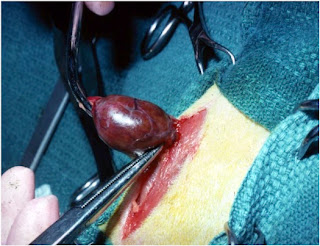
Figure 1: Performing a unilateral thyroidectomy in a cat with the extracapsular technique
Closure of the incision is by simple continuous suture pattern in the sternohyoideus muscle using absorbable suture, simple continuous pattern in the subcutaneous tissues with absorbable suture, and interrupted sutures in the skin with nonabsorbable sutures. As an alternative to skin sutures, use a continuous absorbable intradermal suture layer.

Because the entire thyroid tumor and its capsule are removed with this technique, the cure rate is high, with little chance of local recurrence. However, because the external parathyroid gland is also removed, this technique is not recommended for cats in which bilateral thyroidectomy is needed because of the very high incidence of hypoparathyroidism (4,5,9).

Modified extracapsular technique
The “modified” extracapsular technique was developed to decrease the risk of postoperative hypoparathyroidism and hypocalcemia that can develop when both thyroid lobes are removed in cats with bilateral thyroid adenomas (3,5,7,8).

Compared to the original extracapsular technique, this surgical procedure is more difficult. Once the affected thyroid tumors and external parathyroid glands are identified, the thyroid gland capsule is incised approximately 300 degrees around the external parathyroid gland (Figure 2), being careful to preserve the blood supply to the parathyroid gland.
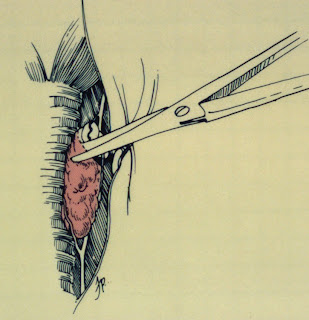
Figure 2: Extracapsular dissection for removal of a thyroid tumor in a cat. 
Figure from reference 8 (with permission)
The surgeon then uses a moistened cotton-tipped applicator to dissect the external parathyroid gland and attached capsule away from the the main thyroid tumor. Ideally, bipolar cautery (rather than ligatures) is used to control hemostasis in order to reduce blunt dissection near the external parathyroid gland. After the caudal thyroid vein is ligated, the affected thyroid tumor and remaining capsule are removed. Skin closure is routine, as described above.

With the modified extracapsular technique, the thyroid tumor and approximately 90% of its thyroid capsule are removed, leaving a small rim of thyroid capsule around the external parathyroid gland (3,5,7,8). Use of this modified extracapsular technique helps ensure that the external parathyroid gland with its blood supply remain intact, greatly lessening the incidence of hypoparathyroidism. However, because a small amount of thyroid capsule is not removed, small remnants of adenomatous tissue that are left behind may regrow with time, leading to recurrence.

Intracapsular technique
With the intracapsular technique for thyroidectomy, a small nick incision is made in an avascular area of the thyroid capsule on the middle to caudal aspect of the gland (Figure 3A). This longitudinal incision is extended with a scalpel blade or fine iris scissors until the entire thyroid capsule is opened (Figure 3B).  The incised thyroid capsule is reflected off the gland with tissue forceps (Figure 3C). The thyroid tumor tissue is then gently teased away from the inside aspect of the thyroid capsule with a sterile cotton-tipped applicator, leaving the thyroid capsule and external parathyroid gland intact.
Figure 3: Intracapsular dissection for removal of a thyroid tumor in a cat. 
Figure from reference 8 (with permission)
Extreme care is required during manipulation of the cranial pole of the thyroid to avoid injury to the blood supply of the external parathyroid gland (located outside of thyroid capsule). As with the extracapsular technique, meticulous hemostasis is critical to maintain good visualization of the surgical field. The incision is closed as described under the extracapsular technique.

The advantage of the intracapsular technique over the extracapsular techniques, described above, are that this is a technically simple method to help ensure that the external parathyroid gland and delicate blood supply are preserved. Because of this, the risk of hypoparathyroidism is greatly reduced. However, because of retained remnants of abnormal thyroid tissue that remain attached to the thyroid capsule, the rate of recurrent hyperthyroidism is highest with this method (4,10,11).

Modified intracapsular technique
Because the intracapsular technique has the potential to leave a significant amount of thyroid tumor tissue behind, a “modified” intracapsular technique was subsequently developed for use in hyperthyroid cats.

The procedure is as described above for the intracapsular technique, but as a final step, the thyroid capsule (caudal to the parathyroid gland) is resected following removal of the thyroid tumor. This leaves only a small rim of thyroid capsule around the external parathyroid gland, thereby greatly lessening the chance of recurrence (3,7).

Staged Bilateral Thyroidectomy

Some surgeons recommend that bilateral thyroidectomy be performed in two stages or separate surgical procedures, in order to lessen the risk of hypoparathyroidism (4). A period of at least 3-4 weeks between procedures gives time for vascular or parathyroid damage to heal.

The necessity of two anesthetic episodes is the major drawback of the technique, considering the older age of the hyperthyroid cats often affected.

Parathyroid Gland Autotransplantation

Parathyroid autotransplantation has also been described as a treatment for accidental removal of the parathyroid or if complete devascularization occurs during thyroidectomy (7,9).

If the parathyroid glands are removed or damaged, the parathyroid gland can be minced into small 1-mm pieces and inserted into a small pocket made in the cervical musculature. With time, such transplanted parathyroid tissue can start to function again. This will decrease the severity and duration of postoperative hypocalcemia.

My Bottom Line

I greatly prefer the extracapsular technique for thyroidectomy in cats because it helps to ensure a permanent cure of the cat’s hyperthyroidism (i.e., the recurrence rate is extremely low). With the intracapsular techniques (especially the original technique), remnants of thyroid tissue are commonly left behind, which can regrow to cause recurrence of hyperthyroidism in some cats.

However, in cats in which the parathyroid glands can not be identified, we still rely on intracapsular dissection when an external parathyroid gland cannot be identified. With this technique, we open the thyroid capsule, which makes it easier to locate and preserve at least one of the parathyroid glands and prevent hypoparathyroidism.

Finally, in cats in which identifying or saving the parathyroid gland is difficult, use of the staged bilateral thyroidectomy approach, parathyroid gland transplantation, or both can help lessen the incidence of postoperative hypocalcemia. However, considering the increased cost and morbidity of a second operation, our preference is to perform bilateral thyroidectomy in one procedure if at all possible.

References:
  1. Black AP, Peterson ME: Thyroid biopsy and thyroidectomy, In: Bojrab MJ (ed): Current Techniques in Small Animal Surgery. Philadelphia, Lea and Febiger. 1983; 388-396. 
  2. Birchard SJ, Peterson ME, Jacobson A. Surgical treatment of feline hyperthyroidism: Results of 85 cases. Journal of the American Animal Hospital Association 1984;20:705-709. 
  3. Birchard, SJ. Thyroidectomy in the cat. Clinical Techniques in Small Animal Practice 2006;21:29-33. 
  4. Flanders JA, Harvey HJ, Erb HN. Feline thyroidectomy. A comparison of postoperative hypocalcemia associated with three different surgical techniques. Veterinary Surgery 1987;16:362–366. 
  5. Flanders JA. Surgical therapy of the thyroid. Veterinary Clinics of North America. Small Animal Practice 1994;24:607–621. 
  6. Flanders JA. Surgical options for the treatment of hyperthyroidism in the cat. Journal of Feline Medicine and Surgery 1999;1:127–134. 
  7. Padgett S. Feline thyroid surgery. Veterinary Clinics of North America. Small Animal Practice 2002;32:851–859. 
  8. Panciera DL, Peterson ME, Birchard, SJ: Diseases of the thyroid gland. In: Birchard SJ, Sherding RG (eds): Manual of Small Animal Practice (Third Edition), Philadelphia, Saunders Elsevier, pp 327-342, 2006.
  9. Padgett SL, Tobias KM, Leathers CW, et al. Efficacy of parathyroid gland autotransplantation in maintaining serum calcium concentrations after bilateral thyroparathyroidectomy in cats. Journal of the American Animal Hospital Association 1998;34:219-224. 
  10. Swalec KM , Birchard SJ. Recurrence of hyperthyroidism after thyroidectomy in cats. Journal of the American Animal Hospital Association. 1990;26:433–437. 
  11. Welches CD, Scavelli TD, Matthiesen DT, Peterson ME. Occurrence of problems after three techniques of bilateral thyroidectomy in cats. Veterinary Surgery 1989;18:392-396.